BORNEO LEGENDS

Secret Stuff Trees Do

Trees come in all shapes and sizes and they breathe life to our Earth. 

They are resilient and depending on where a tree is ‘born’, it can weather through freezing temperatures and withstand the harshness of a burning landscape. 

Borneo has about 3,000 species of trees and over 1,700 species of orchids. We also have about 50 types of carnivorous pitcher plants that eat insects and small animals! Eeeeek!

In Borneo, at an estimated 130 million years old, Borneo's rainforest is two times older than the Amazon rainforest in South America. 

Trees can do some really cool stuff. So next time you walk past by one, for example in your neighbourhood, or your closest park, think about these things:
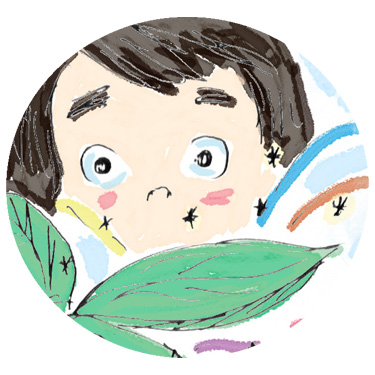
Trees communicate with each other!
They have what is called the Wood-Wide-Web! (hehe great name right?). Trees form a connection with their roots. There is a whole system in place. 
Parent Trees feed the Children Trees this way by passing along some nutrients via their roots with the help of fungi. So if you see similar species of trees all clumped together, you can be sure that underground they are connected, or in touch. Or the parent tree is saying, ‘hey you didn’t get enough to eat’. 
Trees have intelligence, they can count!
Ever wonder how a tree knows when exactly to flower for a certain season or to shed leaves for winter? Some trees in cold countries, wait until a certain number of warm days have passed and only then do they think it is safe to grow leaves for spring! They were quietly counting the days.
Trees scream when they are really thirsty! What?!
Scientist have discovered this at an ultrasonic level. They found ultrasonic vibrations in tree trunks occur when they have shortage of water. So it sounds like screaming from the inside.
When under threat, Trees can tell which insect or pests is attacking them.
Do they have eyes?
No they don’t. But trees can taste insect saliva! The tree (under threat) releases pheromones and warns other trees about the insect. And sometimes, trees can ‘call’ other insects to eat the one that is attacking them! Again this is done by a release of certain chemicals by the tree.